Convenient but Not Always Safe: The Overlooked Risks of Getting Your Prescriptions Through Telehealth Platforms
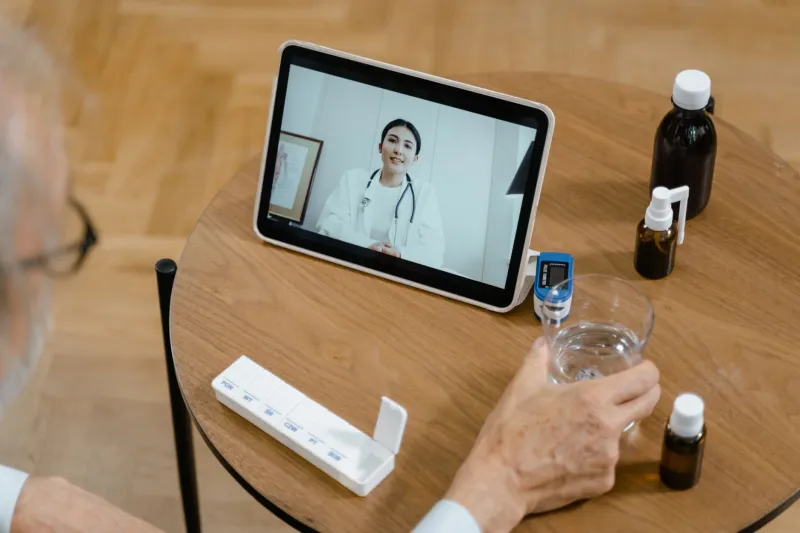
The promise of telehealth is genuinely compelling. Rather than scheduling a weeks-out appointment, arranging transportation, and sitting in a waiting room, a patient can describe their symptoms on a smartphone, speak with a clinician via video, and receive a prescription sent directly to their pharmacy—all within the span of a lunch break. For millions of Americans, particularly those in rural communities or with limited mobility, this model has expanded access to care in meaningful ways.
But the same frictionlessness that makes telehealth attractive also creates conditions in which important clinical safeguards can be bypassed, compressed, or skipped entirely. As the telehealth industry has matured from a pandemic-era stopgap into a permanent fixture of American healthcare, a clearer picture has emerged of where these platforms excel—and where they fall short when it comes to responsible medication management.
What a Video Screen Cannot Capture
A physical examination is not merely a formality. When a clinician listens to a patient's heart and lungs, palpates the abdomen, examines the skin, or assesses gait and coordination, they are gathering clinical information that has no reliable digital equivalent. For a wide range of conditions—and for many of the medications used to treat them—this hands-on assessment is not supplementary context; it is diagnostic prerequisite.
Consider a patient who contacts a telehealth platform complaining of persistent fatigue and requests a prescription for a stimulant medication. Without a physical examination, laboratory work, or a thorough psychiatric evaluation, a clinician has limited means to rule out underlying causes such as thyroid dysfunction, anemia, sleep apnea, or a mood disorder. A prescription issued under these circumstances may address a symptom while leaving a more serious condition undetected.
This dynamic is not hypothetical. Multiple investigative reports and academic studies published in recent years have documented cases in which telehealth platforms prescribed controlled substances—including stimulants for ADHD and anxiolytics for anxiety—with evaluations that fell well below the standard of care expected in a traditional clinical setting.
The Drug Interaction Problem
One of the most underappreciated risks in telehealth prescribing involves medication reconciliation—the process by which a clinician reviews all of a patient's current medications before adding a new one. In a well-functioning primary care relationship, this process is embedded in the clinical workflow. A patient's electronic health record surfaces their active prescriptions, and the prescriber—or a pharmacist integrated into the practice—screens for potential interactions before a new drug is ordered.
Telehealth platforms, particularly those operating as standalone services rather than as extensions of an existing health system, frequently lack access to a patient's complete medication history. They depend largely on what the patient voluntarily discloses during a brief intake questionnaire. Patients, for their part, may not think to mention a supplement, a medication prescribed by a specialist, or an over-the-counter product they use regularly—all of which can interact with a newly prescribed drug in clinically significant ways.
The consequences of missed drug interactions range from reduced therapeutic efficacy to serious adverse events. Certain combinations—such as serotonergic medications with other serotonin-affecting agents, or blood thinners with common anti-inflammatory drugs—carry risks serious enough that they warrant careful consideration even in well-resourced clinical environments.
Monitoring Gaps After the Prescription Is Issued
Many medications require ongoing laboratory monitoring to ensure they remain safe and effective over time. Patients taking lithium for bipolar disorder need regular serum level checks. Those on certain cholesterol-lowering agents may require periodic liver function tests. Individuals prescribed diabetes medications need ongoing glucose and kidney function monitoring. Thyroid hormone replacement therapy requires periodic TSH level assessments to confirm appropriate dosing.
Telehealth platforms vary widely in how they manage this follow-up responsibility. Some have built robust systems for ordering and reviewing labs, coordinating with local collection sites, and scheduling follow-up appointments. Others operate on a more transactional model: the prescription is issued, and the ongoing monitoring obligation is effectively left to the patient to arrange independently—or not at all.
For patients who do not have an established primary care relationship, this gap can mean that a medication continues to be refilled through a telehealth platform long after a dosing adjustment or discontinuation would have been clinically indicated.
Red Flags Patients Should Recognize
Not all telehealth prescribing is created equal, and patients can take meaningful steps to assess the quality of the care they are receiving online. Several warning signs warrant particular caution:
- No review of your existing medications. If an online intake form does not ask about your current prescriptions, supplements, and over-the-counter medications, that is a significant gap in standard prescribing practice.
- Prescriptions for controlled substances issued after minimal evaluation. Schedule II and III medications—including stimulants, opioids, and certain anxiolytics—carry heightened regulatory requirements for good reason. Platforms that prescribe these after a short questionnaire or a brief video call without adequate clinical context should be approached with caution.
- No follow-up mechanism. Responsible prescribing includes a plan for monitoring and reassessment. If a platform issues a prescription with no structured follow-up, patients should ask explicitly how ongoing safety will be managed.
- No coordination with your primary care provider. Siloed prescribing—where a telehealth clinician operates with no knowledge of or communication with your other providers—increases the risk of duplicative therapies, interactions, and missed diagnoses.
When In-Person Care Is Non-Negotiable
Telehealth is well-suited to a defined set of clinical scenarios: uncomplicated infections, straightforward medication refills for stable, well-monitored conditions, minor dermatological concerns that can be assessed visually, and mental health support for individuals already established in care. For these use cases, the convenience advantage is real and the safety trade-off is minimal.
However, certain situations genuinely require in-person evaluation. New or unexplained symptoms—particularly those involving chest pain, neurological changes, significant weight loss, or any presentation that could indicate a serious underlying condition—should not be triaged primarily through a telehealth platform. Initial diagnosis of complex chronic conditions, initiation of high-risk medications, and any situation where a physical examination would change clinical decision-making all fall into this category.
Patients initiating a new psychiatric medication for the first time, beginning a controlled substance regimen, or managing a condition with multiple interacting drug therapies should strongly consider whether a telehealth-only approach provides adequate clinical oversight.
Using Telehealth Responsibly
The goal is not to discourage telehealth use, but to encourage informed use. Patients can protect themselves by maintaining an up-to-date medication list—including all supplements and over-the-counter products—and sharing it proactively with any telehealth provider. Ensuring that a telehealth prescription is communicated to a primary care physician or pharmacist creates an additional layer of oversight that can catch problems before they escalate.
Choosing telehealth platforms affiliated with established health systems, or those that demonstrate transparent follow-up protocols and verifiable clinician credentials, also meaningfully reduces risk. Your pharmacist remains one of the most valuable and accessible resources for identifying potential interactions, regardless of how or where a prescription originated.
Telehealth has earned a legitimate and lasting place in American healthcare. The task for patients is to engage with it thoughtfully—recognizing both what it can genuinely offer and where its limitations require supplementation with more traditional forms of clinical care.