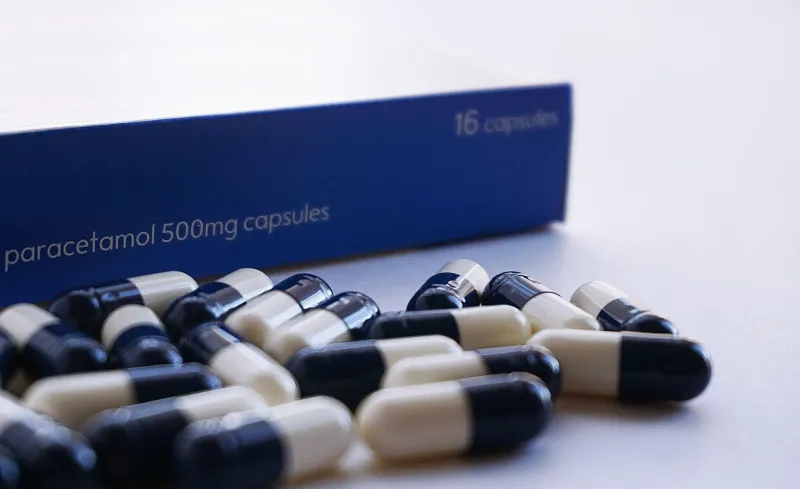
Generic Medications vs. Brand-Name Drugs: The Truth About What You're Actually Paying For

Standing at a pharmacy counter and being asked whether you want the brand-name or generic version of a prescription is a moment most Americans have experienced. For some, the choice feels straightforward. For others, it carries an undercurrent of doubt: Is the cheaper option really just as good? That hesitation is understandable — but in the vast majority of cases, it is not scientifically justified.
The United States spends more on prescription drugs per capita than any other developed nation. In 2022, total US prescription drug spending exceeded $400 billion. Generic medications, which account for roughly 90% of all prescriptions dispensed in this country, are one of the most powerful tools available to reduce that burden at the individual level. Yet misconceptions about their quality, safety, and effectiveness persist — and they are costing patients real money.
What the FDA Actually Requires of Generic Drugs
The foundation of the generic drug debate is regulatory science, and the standard is more rigorous than many consumers realize. Under the Drug Price Competition and Patent Term Restoration Act of 1984 — commonly known as the Hatch-Waxman Act — generic drug manufacturers must demonstrate bioequivalence to the reference brand-name product before receiving FDA approval.
Bioequivalence means that the generic drug delivers the same active ingredient to the bloodstream, at the same rate and to the same extent, as the original branded formulation. This is measured through pharmacokinetic studies in human subjects, examining parameters such as maximum drug concentration (Cmax) and the total drug exposure over time (AUC — area under the curve). The FDA requires that these values fall within a defined statistical range of 80–125% of the brand-name reference — a threshold that, in practice, typically yields values far closer to 100%.
Generic drugs are also required to:
- Contain the same active pharmaceutical ingredient (API) at the same strength
- Meet identical standards for purity, potency, and stability
- Be manufactured in FDA-inspected facilities subject to Current Good Manufacturing Practice (cGMP) regulations
What generics are permitted to differ in are inactive ingredients — binders, fillers, dyes, and coatings. These excipients do not affect the therapeutic action of the drug, though in rare cases they may matter for patients with specific allergies or sensitivities to particular additives.
Addressing the Most Common Misconceptions
"Generic drugs are lower quality." This is perhaps the most persistent myth in pharmacy. The active ingredient in a generic is chemically identical to the brand-name version. Many generic active pharmaceutical ingredients are actually manufactured by the same facilities that supply brand-name companies — the finished product simply carries a different label. FDA oversight applies equally to both.
"Generics work more slowly or less effectively." Bioequivalence data directly contradicts this claim. A 2009 meta-analysis published in the Journal of the American Medical Association examined 47 studies comparing brand-name and generic cardiovascular medications and found no clinically meaningful difference in outcomes. The therapeutic effect — the reason you are taking the medication in the first place — is equivalent.
"My doctor wouldn't prescribe it if a generic were just as good." Physicians have many reasons for prescribing brand-name drugs, not all of which are purely clinical. Pharmaceutical marketing, patient familiarity, and habit all play roles. In some specialized cases — narrow therapeutic index drugs like certain seizure medications or blood thinners — physicians may have legitimate clinical reasons to prefer brand-name consistency. But these are exceptions, not the rule.
The Real Cost Difference — and What It Means for Your Wallet
The financial case for generics is not subtle. According to the Association for Accessible Medicines, generic drugs saved the US healthcare system an estimated $373 billion in 2021 alone. At the individual level, the savings can be transformative.
Consider a few illustrative comparisons:
- Lipitor (atorvastatin): The brand-name cholesterol medication once carried a monthly cost exceeding $300 without insurance. Its generic equivalent is now available at many pharmacy chains for as little as $4–$10 per month.
- Zoloft (sertraline): Brand-name pricing can exceed $200 per month, while the generic sertraline is frequently available for under $15.
- Synthroid (levothyroxine): Prescribed to millions of Americans for thyroid conditions, the brand version can cost several times more than its generic counterpart.
For patients managing chronic conditions requiring daily medication, these differences compound dramatically over the course of a year — potentially reaching thousands of dollars in savings.
Insurance Coverage and the Generic Tier System
Understanding your insurance formulary is equally important to understanding the drugs themselves. Most US health insurance plans — including those offered through employer benefits, the ACA marketplace, and Medicare Part D — organize covered drugs into tiers, with generics occupying the lowest-cost tier and requiring the smallest copay or coinsurance.
Brand-name drugs, particularly newer branded medications without generic equivalents, often land in higher formulary tiers where patient cost-sharing is substantially greater. In some plans, a brand-name drug in Tier 3 or Tier 4 can require 30–50% coinsurance, meaning a drug with a list price of $500 per month could still cost a patient $150–$250 even with insurance.
Patients who are prescribed a brand-name drug for which a generic exists should proactively ask their insurer, pharmacist, or prescribing physician whether a generic substitution is available and covered. In most US states, pharmacists are permitted by law to substitute an FDA-approved generic unless the prescriber has explicitly written "dispense as written" (DAW) on the prescription.
When Brand-Name May Actually Be Warranted
Fair and balanced analysis requires acknowledging the situations where brand-name medications may offer a legitimate clinical rationale.
Narrow therapeutic index (NTI) drugs — those where small fluctuations in blood concentration can lead to significant clinical consequences — warrant particular scrutiny. Medications such as levothyroxine, warfarin, lithium, and certain antiepileptics fall into this category. Some clinicians and professional organizations recommend consistency of formulation for patients stabilized on these drugs, whether that means consistently using the brand or consistently using the same generic manufacturer's product.
Additionally, some brand-name medications involve proprietary delivery technologies — extended-release mechanisms, transdermal systems, or specialized formulations — that may not yet be replicated in a generic version. In these cases, the brand may offer a genuine pharmacokinetic distinction.
For the majority of commonly prescribed medications, however, these considerations do not apply.
Making an Informed Decision at the Pharmacy Counter
Knowledge is your most valuable asset when navigating prescription costs. Here are practical steps to take control:
- Ask your pharmacist directly: "Is there a generic available for this medication, and is it covered under my plan?"
- Check your insurance formulary: Most insurers provide online tools to look up drug tiers and costs before you fill a prescription.
- Explore discount programs: GoodRx, RxSaver, and similar platforms can sometimes offer prices lower than your insurance copay, particularly for generics.
- Talk to your prescriber: If cost is a barrier, your physician may be able to prescribe a therapeutically equivalent generic alternative in the same drug class.
- Review annually: Formularies change each plan year. A drug that was covered generically last year may have shifted tiers.
The Bottom Line on Brand vs. Generic
The science is clear: FDA-approved generic medications are therapeutically equivalent to their brand-name counterparts for the vast majority of patients and conditions. The regulatory framework governing their approval is stringent, the manufacturing standards are identical, and the cost savings are substantial and well-documented.
Choosing a generic over a brand-name drug is not settling for less — it is making an evidence-based financial decision without compromising your care. In a healthcare environment where out-of-pocket costs continue to climb, that distinction matters more than ever.