Eating Around Your Medications: How Meal Timing Can Make or Break Your Treatment
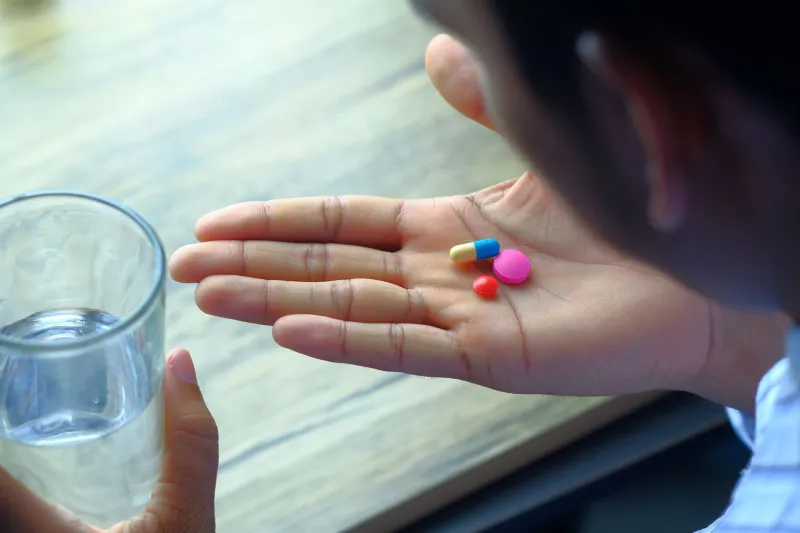
You took your medication. You followed the instructions on the label. You even set a daily reminder on your phone. So why isn't it working as well as your doctor expected?
For millions of Americans, the answer may be sitting right next to their pill bottle—on their breakfast plate. The interaction between food and medication is one of the most underappreciated variables in pharmaceutical care. It isn't simply about avoiding grapefruit with certain statins (though that matters too). It's about the fundamental biology of how your digestive system processes both nutrients and drugs simultaneously, and how the presence or absence of food can either amplify or completely undermine a medication's therapeutic effect.
Understanding this dynamic doesn't require a pharmacology degree. It requires knowing a few key principles—and knowing which of your medications are most sensitive to them.
Why the Stomach's Environment Changes Everything
When you swallow a medication, it doesn't teleport directly into your bloodstream. It travels through your gastrointestinal tract, where it must dissolve, survive the stomach's acidic environment, and eventually be absorbed through the walls of the small intestine. Every step of that journey is influenced by whether food is present.
Eating triggers a cascade of physiological responses: gastric acid secretion increases, digestive enzymes are released, and blood flow to the gut intensifies. The stomach's pH shifts. Motility—the rate at which contents move through the GI tract—slows significantly. Fat in a meal stimulates bile production. All of these changes can alter how quickly a drug dissolves, how much of it reaches the bloodstream intact, and how efficiently it's absorbed.
Pharmacists use the term bioavailability to describe the proportion of a drug that actually enters systemic circulation and produces an active effect. A medication with poor food-timing management may have dramatically reduced bioavailability—meaning the dose your doctor prescribed may not be the dose your body is actually receiving.
Medications That Demand an Empty Stomach
Certain drugs are highly sensitive to the interference of food, and manufacturers specify they must be taken on an empty stomach—typically defined as one hour before eating or two hours after a meal.
Levothyroxine, the synthetic thyroid hormone prescribed to tens of millions of Americans for hypothyroidism, is among the most well-documented examples. Studies have consistently shown that calcium-rich foods, coffee, and high-fiber meals can bind to levothyroxine in the gut and prevent its absorption. Even a modest reduction in absorption, sustained over weeks or months, can result in undertreated hypothyroidism—with consequences ranging from fatigue and weight gain to cardiovascular strain. Most endocrinologists recommend taking levothyroxine immediately upon waking, before consuming anything other than water.
Bisphosphonates, a class of medications used to treat osteoporosis (including alendronate, sold under the brand name Fosamax), present a similarly strict case. These drugs have notoriously poor bioavailability under the best circumstances—less than one percent of an oral dose is typically absorbed. Food reduces that already-small fraction even further. Patients are instructed to take bisphosphonates first thing in the morning with a full glass of water, remain upright for thirty minutes, and avoid food for at least thirty minutes afterward.
Certain antibiotics, including azithromycin and some formulations of tetracycline, are also absorbed less efficiently when taken with food—particularly dairy products, which contain calcium that can chelate (bind to) the drug and render it inactive.
Medications That Actually Need Food to Work
The relationship runs in both directions. Some medications are not only safer when taken with food—they are genuinely less effective without it.
Ivermectin, used in the treatment of certain parasitic infections, has demonstrated meaningfully higher plasma concentrations when taken with a high-fat meal. The same principle applies to several antifungal agents. Itraconazole in capsule form, prescribed for serious fungal infections, requires an acidic stomach environment and the presence of dietary fat to dissolve and absorb properly. Patients who take it fasted may receive a therapeutically inadequate dose without ever realizing it.
Fat-soluble vitamins and supplements—including vitamins A, D, E, and K—follow the same logic. These compounds require dietary fat to be absorbed through the intestinal wall. Taking them with a fat-free meal or on an empty stomach can result in poor absorption, even when the dose appears adequate on paper.
Certain HIV antiretrovirals and some atypical antipsychotics also demonstrate enhanced absorption when taken alongside food. For medications in these categories, consistent meal timing isn't just a convenience—it's a clinical requirement for maintaining stable drug levels in the blood.
The Grapefruit Problem (and Other Specific Foods)
Beyond general meal timing, specific foods carry well-documented interactions with particular drug classes.
Grapefruit and grapefruit juice remain the most widely recognized example. Compounds in grapefruit called furanocoumarins inhibit an enzyme in the gut called CYP3A4, which is responsible for metabolizing a wide range of medications. When this enzyme is suppressed, drugs that would normally be partially broken down before absorption instead enter the bloodstream at higher concentrations than intended. The affected medications include certain statins (lovastatin, simvastatin), calcium channel blockers, immunosuppressants, and some psychiatric medications. The effect can persist for up to 72 hours after consuming grapefruit.
Vitamin K-rich foods—leafy greens like spinach, kale, and Brussels sprouts—interact with warfarin, a widely used blood thinner. Warfarin works by inhibiting vitamin K-dependent clotting factors, so dramatic fluctuations in dietary vitamin K intake can destabilize the drug's anticoagulant effect. Patients on warfarin aren't necessarily told to avoid these foods, but they are advised to keep their consumption consistent from week to week.
High-tyramine foods, including aged cheeses, cured meats, and fermented products, pose a serious risk to patients taking monoamine oxidase inhibitors (MAOIs), a class of antidepressants. The combination can trigger a hypertensive crisis—a rapid, dangerous spike in blood pressure.
Practical Strategies for Real-Life Eating Habits
The clinical guidance is clear in a controlled environment. But most Americans don't eat at scheduled intervals, and life rarely accommodates rigid pharmaceutical timing windows. Here are some evidence-informed approaches for managing the gap between ideal and practical.
Create a medication anchor. For drugs requiring an empty stomach—especially levothyroxine—tie the dose to a non-food morning ritual: the moment your alarm goes off, before brushing your teeth, before coffee. This behavioral anchor reduces the chance that a spontaneous early breakfast will interfere.
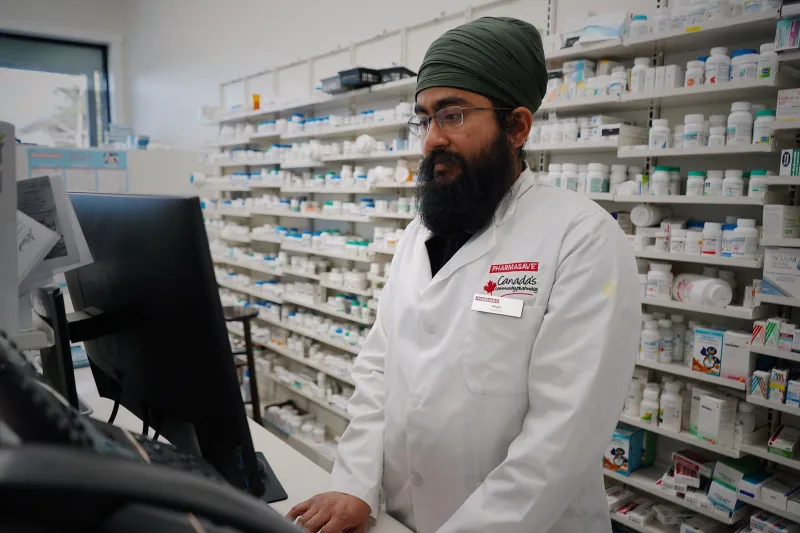
Talk to your pharmacist about timing flexibility. Some medications that list food interactions have narrow windows; others have more tolerance than the label implies. A pharmacist can clarify which instructions are clinically critical versus precautionary.
Keep fat content in mind for fat-dependent drugs. If you're prescribed a medication that requires dietary fat for absorption, a small handful of nuts or a tablespoon of olive oil with your dose is sufficient. You don't need a full meal.
Document what you eat and when. For patients whose medications require therapeutic drug monitoring—warfarin being the clearest example—keeping a simple food log can help your care team identify why your levels are fluctuating.
Never assume that 'with food' means 'with any food.' A handful of crackers and a glass of water is technically food, but it may not provide the caloric density or fat content that certain medications require. When in doubt, ask.
A Variable Most Patients Never Think to Mention
When a medication isn't working as expected, the conversation between patient and provider typically centers on the drug itself—the dose, the formulation, the diagnosis. Rarely does anyone ask: What did you eat this morning, and when?
Yet that question may hold the answer. The timing of meals, the composition of what's on your plate, and the physiological state of your digestive system at the moment you swallow a pill are not incidental details. They are active variables in your treatment. Treating them that way—with the same care you give to the prescription itself—is a meaningful step toward getting the full therapeutic benefit your medication was designed to deliver.