When the Medicine Runs Out: Inside America's Drug Shortage Crisis and How Patients Can Protect Themselves
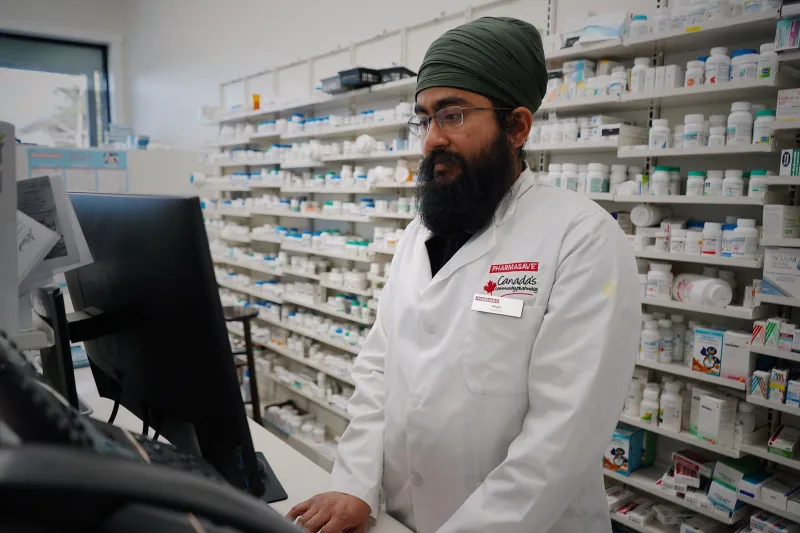
Imagine calling your local pharmacy to refill a blood pressure medication you have taken for years, only to be told it is on backorder with no confirmed restock date. For millions of Americans, this scenario has moved from hypothetical to routine. Drug shortages in the United States have reached a level of frequency and severity that many health policy experts describe as a quiet public health emergency—one that rarely makes front-page news but profoundly disrupts the lives of patients managing everything from bacterial infections to cancer.
According to the American Society of Health-System Pharmacists (ASHP), the number of active drug shortages tracked in the United States has consistently remained in the hundreds at any given time over the past several years. The medications involved span a wide range: injectable drugs used in hospital settings, oral antibiotics, ADHD medications, oncology agents, and even basic anesthetics. The breadth of the problem is not coincidental—it reflects a deeply fragile system built over decades of cost-cutting, geographic consolidation, and regulatory complexity.
Why Medications Disappear: The Root Causes of Supply Chain Disruption
The pharmaceutical supply chain is far more intricate than most patients realize. A single tablet may contain active pharmaceutical ingredients (APIs) sourced from facilities in India or China, combined with excipients manufactured elsewhere, and then assembled and packaged at a domestic or international plant before being distributed to wholesalers and, ultimately, pharmacies. Each link in that chain represents a potential point of failure.
Manufacturing concentration is one of the most significant structural vulnerabilities. A substantial proportion of the world's generic drug production—and API synthesis—is concentrated in a small number of countries and, within those countries, a handful of manufacturing facilities. When a single plant experiences a quality control failure, a natural disaster, or a regulatory shutdown by the U.S. Food and Drug Administration (FDA), the ripple effects can eliminate a meaningful share of the global supply of a given medication almost overnight.
Regulatory bottlenecks compound the problem. The FDA's approval process for new manufacturing sites or for a supplier to substitute an alternative API source is thorough by design—patient safety demands it—but the timeline can stretch for months or years. During that window, a shortage that might otherwise be resolved through supply substitution persists.
Economic disincentives in the generic drug market also play a role that is frequently underappreciated. Generic medications, particularly older ones, are often priced so low that manufacturers operate on razor-thin margins. When demand spikes unexpectedly—as occurred with certain antibiotics during periods of elevated respiratory illness—manufacturers may lack the financial flexibility to rapidly scale production. Some exit the market entirely, reducing the number of suppliers and making the remaining supply more fragile.
Raw material sourcing adds another layer of uncertainty. Many APIs are derived from complex chemical synthesis processes that depend on specific precursor chemicals, some of which are themselves subject to supply constraints or export restrictions from producing nations.
Which Drug Categories Are Most Affected?
While no therapeutic category is entirely immune, certain drug classes have experienced disproportionate shortages in recent years.
- Antibiotics: Amoxicillin, in particular, drew significant public attention during a shortage that affected pediatric liquid formulations. Other antibiotics, including azithromycin and certain injectable options used in hospitals, have faced similar pressures.
- ADHD medications: Stimulant medications such as amphetamine salts and methylphenidate experienced sustained shortages beginning in 2022, driven by a combination of increased demand, DEA production quotas, and manufacturing delays.
- Oncology and supportive care drugs: Injectable chemotherapy agents and drugs used to manage treatment side effects have long been shortage-prone due to the complexity of their manufacture and the limited number of producers.
- Anesthetics and sedatives: Hospital pharmacies have repeatedly navigated shortages of injectable anesthetics, creating difficult operational challenges for surgical and procedural care.
- Chronic disease medications: Drugs for diabetes, cardiovascular conditions, and mental health have all appeared on shortage lists at various points, sometimes due to unexpected demand surges rather than purely manufacturing issues.
What Patients Can Do: Practical Strategies for Navigating a Shortage
While individual patients cannot restructure a global supply chain, there are concrete steps that can meaningfully reduce the risk that a shortage will interrupt your care.
Stay Informed Through Official Channels
The FDA maintains a publicly accessible Drug Shortages database that is updated regularly and represents the most authoritative source of current shortage information in the United States. ASHP also publishes its own shortage tracking resource, which is particularly detailed for hospital-use medications. Bookmarking these resources and checking them periodically—especially if you are managing a chronic condition—can help you anticipate problems before they become emergencies.
Communicate Early and Proactively With Your Pharmacist
Pharmacists are on the front lines of shortage management and often know about supply disruptions before patients do. If you take a medication that you have heard may be in short supply, raise the topic with your pharmacist during your next visit or refill. Ask whether your current supplier has adequate stock, whether there are signs of impending constraints, and what the pharmacy's protocol is for notifying patients when a shortage develops. Early communication creates time for proactive problem-solving.
Ask About Therapeutic Alternatives
In many cases, a shortage of one specific medication does not mean there are no options. Your pharmacist can work with your prescribing physician to identify therapeutically equivalent alternatives—different formulations, different dosage strengths, or medications in the same drug class that may be more readily available. This process requires coordination between the pharmacy and the prescriber, but it is a well-established practice and one that healthcare providers navigate regularly.
Explore Different Dispensing Channels
If your local retail pharmacy is out of stock, it is worth checking whether a different pharmacy in your area—including hospital outpatient pharmacies, independent pharmacies, or mail-order services—has access to the medication. Inventory varies meaningfully across dispensing channels, and a brief round of calls can sometimes resolve a shortage that initially seems absolute.
Discuss Appropriate Refill Timing With Your Provider
For maintenance medications used to manage chronic conditions, ask your prescriber whether it is appropriate to refill slightly earlier than your usual cycle, within the limits permitted by your insurance plan and applicable regulations. Having a modest buffer supply can provide critical protection if a shortage develops. This is not about stockpiling—it is about responsible planning in an environment of known supply instability.
Verify Your Insurance Formulary Flexibility
Some insurance plans have provisions that allow formulary exceptions or early refills in the context of documented shortages. Contact your plan's member services line to understand what flexibility exists and what documentation may be required to access it.
A Systemic Problem Requiring Systemic Solutions
The strategies outlined above can help individual patients navigate shortages more effectively, but they do not address the underlying structural vulnerabilities that make shortages so persistent. Meaningful long-term improvement will require coordinated action: greater domestic manufacturing investment, reformed FDA approval pathways for shortage-related substitutions, revised reimbursement models that make generic drug production economically sustainable, and enhanced transparency throughout the supply chain.
Legislative proposals addressing drug shortage resilience have gained traction in Congress in recent sessions, and the FDA has expanded its shortage prevention programs in recent years. Progress is real, if slow.
In the meantime, the most effective thing patients can do is stay informed, maintain open communication with their pharmacists and prescribers, and approach medication management as an active rather than passive process. In a system under strain, an informed patient is a more protected patient.