After the Last Dose: Navigating the Legal, Ethical, and Emotional Weight of a Loved One's Leftover Medications
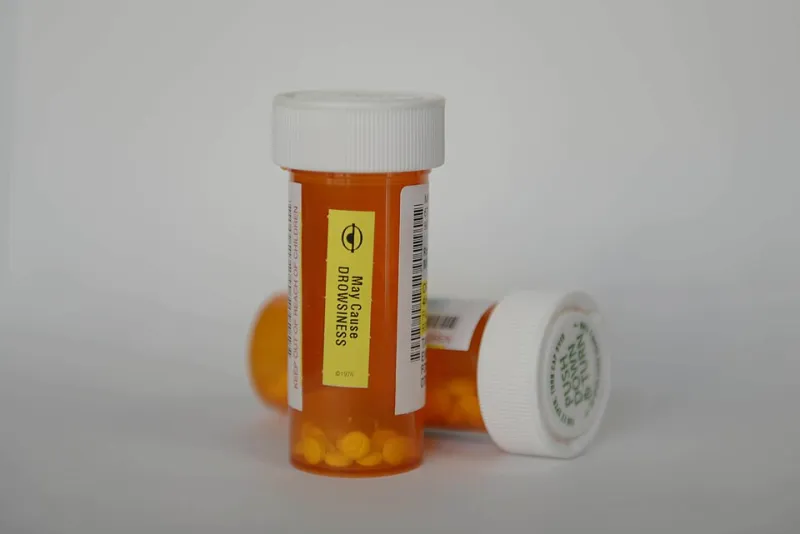
Photo: Airman Valerie Monroy, Public domain, via Wikimedia Commons
In the days and weeks following a loved one's death, families are typically consumed by funeral arrangements, estate paperwork, and the ordinary logistics of grief. Rarely does anyone pause to ask: what do we do with the medications?
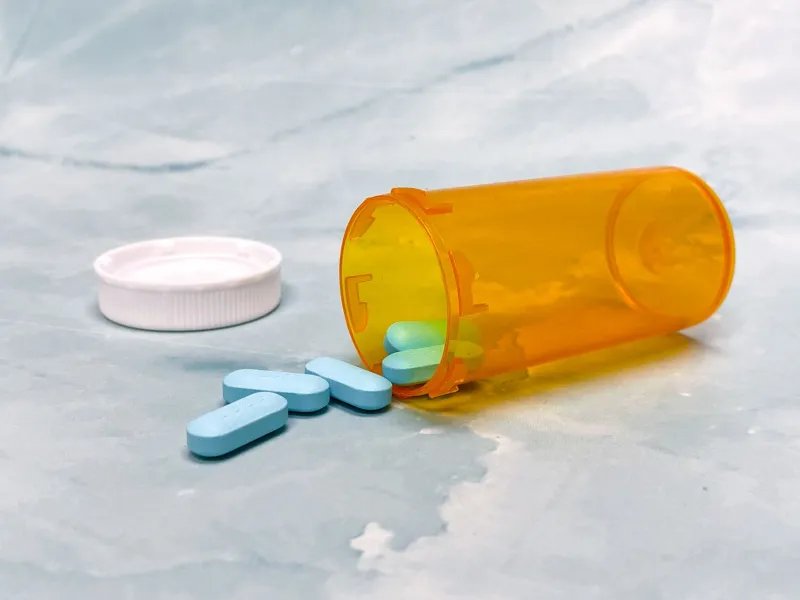
Yet that question matters—legally, ethically, and in terms of public health. A single hospitalized patient or someone managing a chronic illness at home may leave behind dozens of prescription bottles, some containing powerful controlled substances worth significant money on the illicit market. What happens to those medications is not simply a matter of household tidying. It is a matter with consequences that extend well beyond the medicine cabinet.
The Scale of the Problem Nobody Talks About
Each year in the United States, roughly 3.5 million people die. A substantial proportion of those individuals were managing at least one chronic condition requiring prescription medication at the time of death. Cancer patients often leave behind significant quantities of opioid painkillers. Those with heart disease may have supplies of anticoagulants, beta-blockers, or diuretics. Individuals who passed unexpectedly may leave behind medications they had only just begun.
The result is an enormous, largely undocumented reservoir of pharmaceuticals distributed across American households—medications that surviving family members are often uncertain how to handle, hesitant to discuss, and sometimes tempted to repurpose.
What the Law Actually Says
Under federal law, prescription medications are issued to a specific individual and are not legally transferable to another person. This applies even within the same household. Using a deceased person's prescription medication—whether to save money, avoid a doctor's visit, or manage a similar symptom—constitutes unauthorized use and, in the case of controlled substances, can carry criminal liability.
For Schedule II through Schedule V controlled substances, which include opioids, stimulants, benzodiazepines, and sleep aids, the legal framework becomes considerably stricter. The Drug Enforcement Administration (DEA) regulates the possession and disposal of these substances, and family members who retain them without proper authority may technically be in violation of federal law—even if their intentions are entirely innocent.
State laws add another layer of complexity. Some states have specific provisions for how executors or personal representatives of an estate may handle prescription medications found among a decedent's belongings. Others are largely silent on the matter, leaving families without clear guidance. Consulting an estate attorney or contacting your state's board of pharmacy can help clarify local obligations.
The FDA's Guidance on Disposal
The U.S. Food and Drug Administration offers clear, if not always well-publicized, guidance for disposing of unused medications after a death. The preferred method for most prescription drugs—and the one most strongly encouraged for controlled substances—is participation in a drug takeback program.
The DEA sponsors National Prescription Drug Take Back Day events twice a year, with permanent collection sites maintained year-round at authorized pharmacies, hospitals, and law enforcement offices throughout the country. The DEA's website provides a searchable locator for nearby collection points. Dropping medications at these sites is anonymous, free, and the most environmentally responsible option available.
For households without convenient access to a takeback site, the FDA recommends a specific at-home disposal method for most medications: mix the drugs with an undesirable substance—used coffee grounds, dirt, or cat litter work well—seal the mixture in a bag, and discard it in household trash. This approach reduces the risk of diversion or accidental ingestion while keeping pharmaceuticals out of waterways.
Flushing medications down the toilet is generally discouraged due to environmental contamination concerns, though the FDA maintains a short list of medications—primarily high-risk opioids and other controlled substances—for which flushing is still recommended as a last resort when no takeback option is available, precisely because the risk of diversion outweighs the environmental concern.
Controlled Substances Deserve Special Attention
If a loved one was prescribed opioids, stimulants, or other controlled substances, those medications warrant particular urgency. Opioid medications left in an accessible location represent a genuine diversion risk—both within the household and beyond it. Studies have consistently shown that a significant proportion of people who misuse prescription opioids obtained them from a friend's or family member's supply, often after a death or hospitalization.
Families handling estates should prioritize removing these medications from general household access as quickly as possible. If the volume is substantial or if you are uncertain about the nature of what you have found, contacting local law enforcement or a pharmacist for guidance is a reasonable and appropriate step. Officers at most police departments are trained to handle these situations without judgment.
The Emotional Dimension Nobody Prepares For
Beyond the legal and logistical dimensions, there is something profoundly intimate about a deceased person's medications. The bottles often carry their name in typeface that feels startlingly alive. The dosing instructions are written in the second person—take one tablet by mouth daily—as though the prescription is still waiting to be followed.
For many families, discarding a loved one's medications can feel like a final severance, a physical act of acknowledgment that the person is truly gone. Some people hold onto bottles for months without being able to explain why. Others feel an urgent need to clear everything immediately, as though the medications themselves are a source of pain.
Both responses are understandable. Grief rarely follows a logical timeline, and the objects associated with illness and treatment carry particular emotional weight. What matters, ultimately, is that the decision to retain or dispose of medications is made thoughtfully—and that the practical and legal dimensions are not indefinitely deferred because the emotional ones feel more immediate.
Practical Steps for Families
If you are currently navigating this situation, consider the following sequence:
Inventory what is present. Make a list of all prescription medications found in the home, noting whether each is a controlled substance. This helps prioritize which items require the most urgent attention.
Locate the nearest takeback site. Use the DEA's online collection site locator at deadiversion.usdoj.gov to find a drop-off point in your area. Many retail pharmacies, including major chains, now maintain permanent collection kiosks.
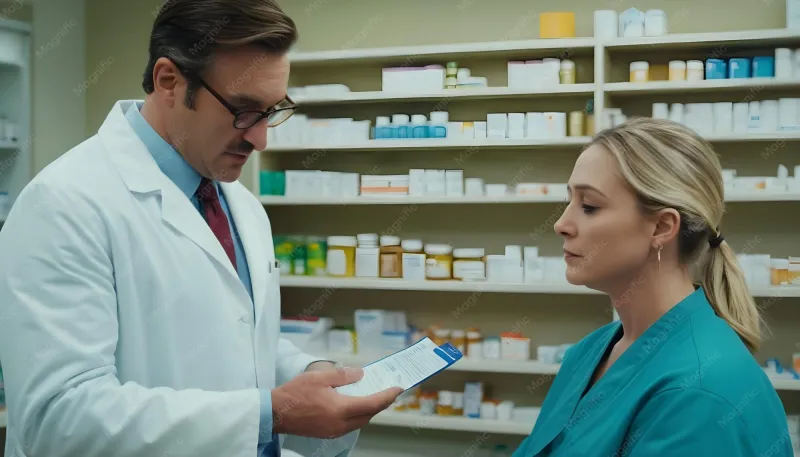
Consult a pharmacist if uncertain. Pharmacists are a knowledgeable and accessible resource. If you are unsure whether a medication is a controlled substance or how to handle a specific drug, a licensed pharmacist can provide guidance without requiring an appointment.
Do not redistribute medications to other family members. Even well-intentioned sharing of prescription medications is illegal and potentially dangerous, regardless of whether the original patient is living or deceased.
Seek legal clarification if the estate is complex. If the deceased was managing a significant medication regimen and you are serving as executor, a brief consultation with an estate attorney can clarify your specific obligations under state law.
A Responsibility Worth Taking Seriously
The medications left behind after a death are not simply household clutter. They represent a final chapter of someone's medical history—and a set of responsibilities that fall, often unexpectedly, on the people they loved. Handling those medications with care is not bureaucratic formality. It is a meaningful act of stewardship, one that protects surviving family members, the broader community, and the integrity of the person's memory.
PharmaciTical encourages all families to familiarize themselves with disposal resources before the need arises. Like so many aspects of end-of-life planning, preparation makes a difficult moment meaningfully easier to navigate.