Dinner Interfering With Your Medicine: The Food Pairings Every Patient Should Know
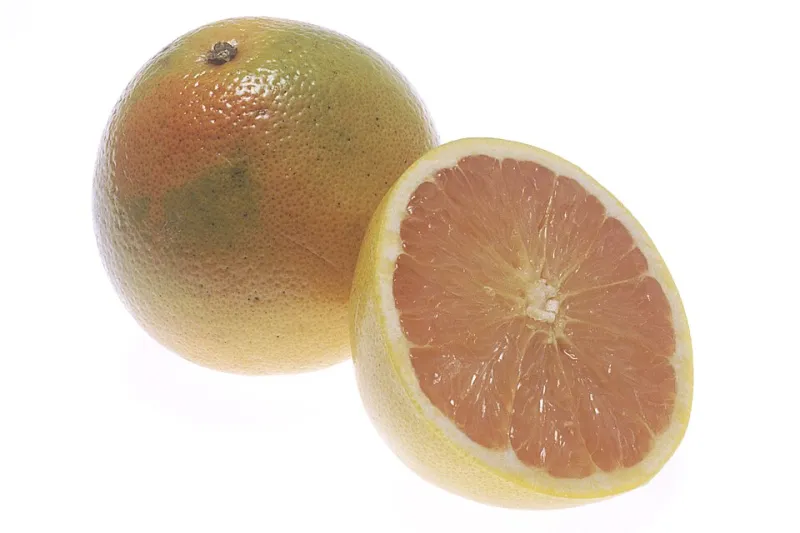
Photo: Renee Comet (Photographer), Public domain, via Wikimedia Commons
You can read every word on a prescription label and still miss the warning that matters most, because it isn't always on the label at all: what's on your dinner plate. Food–drug interactions are among the most common — and most preventable — reasons medications fail or cause harm, yet surveys suggest the majority of patients have never discussed them with a provider.
Why Food and Drugs Collide
Your digestive system processes food and medication through many of the same machinery: absorption proteins, liver enzymes, and transport molecules. Certain foods ramp that machinery up, slow it down, or hijack it entirely. The outcome depends on the drug — sometimes a meal makes a medication dangerously strong, sometimes it renders it nearly useless.
The Famous One: Grapefruit
Grapefruit and its juice interfere with an intestinal enzyme (CYP3A4) that normally breaks down many drugs before they enter the bloodstream. Block the enzyme, and blood levels of the medication can soar — in some cases by several-fold — turning a standard dose into an overdose.
Drugs with well-documented grapefruit sensitivity include certain statins (such as simvastatin and atorvastatin), some blood pressure medications in the calcium channel blocker family, several immunosuppressants used after organ transplants, and select anti-anxiety and anti-arrhythmic agents. The effect can persist for 24 hours or more, so timing the pill and the fruit apart doesn't reliably solve the problem. If you take any long-term medication, ask a pharmacist whether grapefruit is on your list.
The Quiet Opposite: Leafy Greens and Blood Thinners
Where grapefruit amplifies, vitamin K neutralizes. Warfarin works by interfering with vitamin K–driven clotting, so a sudden surge of kale, spinach, or Brussels sprouts can blunt its protective effect and raise clot risk. The answer isn't to banish greens — consistency is what matters. Patients on warfarin should keep their vitamin K intake steady and have their INR monitored, rather than swinging between salad binges and avoidance.
Other Pairings Worth Knowing
- Dairy and certain antibiotics. Calcium binds to tetracyclines and fluoroquinolones (like doxycycline and ciprofloxacin), dramatically reducing absorption. Separate milk, yogurt, and calcium supplements by at least two hours from the dose.
- Alcohol and acetaminophen. Combining regular alcohol use with high doses of this common pain reliever stresses the liver in compounding ways.
- Alcohol and sedatives. Opioids, benzodiazepines, and some sleep aids become respiratory hazards when mixed with even moderate drinking.
- Bananas, oranges, and salt substitutes with ACE inhibitors. These blood pressure drugs raise potassium; piling on high-potassium foods can push levels into dangerous territory.
- Aged cheese, cured meats, and MAOIs. Though this antidepressant class is now rarely prescribed, the tyramine reaction remains a medical emergency worth remembering.
- Caffeine and certain asthma or thyroid medications. Some drugs slow caffeine clearance, turning your third coffee into jitters, palpitations, or worse.
How to Spot the Warnings You're Missing
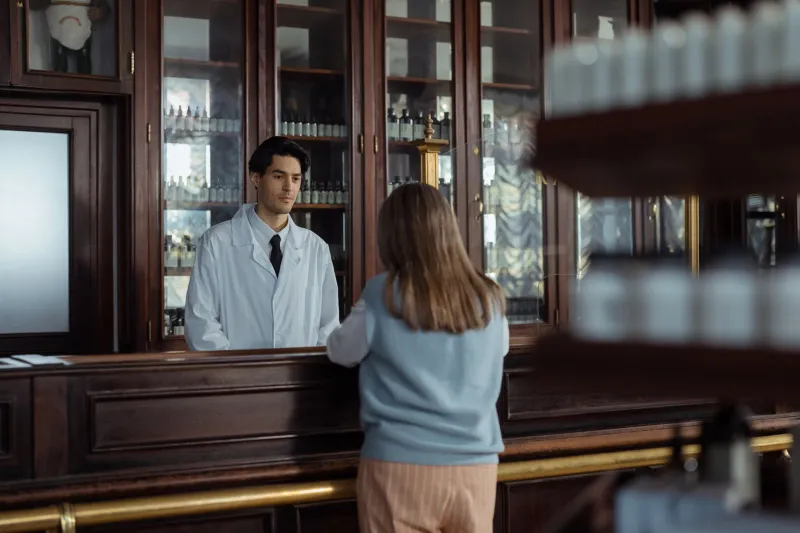
Interaction alerts rarely headline the label. Check the patient information insert under "drug interactions" — food is often lumped in with other medications. Look for phrases like "take on an empty stomach," "avoid alcohol," or "do not take with antacids or dairy." When in doubt, ask your pharmacist directly: it is a two-minute question that pharmacy school prepared them to answer, and it costs nothing.
Food doesn't require a prescription, which is precisely why it slips through every safety check in the system. Treating your meals as part of your medication regimen — not separate from it — is one of the simplest safety upgrades available to any patient.